Italy Travel Guide: Luxury Destinations, Cities & Experiences
Italy rewards travelers who resist the temptation to see everything at once. Rome, Florence and Venice may anchor a first visit, but Tuscany, the Amalfi Coast, the Italian lakes, Sicily, Sardinia and dozens of smaller cities can each justify a journey of their own.
This Italy travel guide is designed for travelers looking beyond a simple sightseeing checklist. It brings together the best places to visit, city choices, coastal destinations, seasons, accommodations, experiences and transportation options, with a particular focus on creating a trip that feels considered rather than rushed.
For clients traveling from North America or combining several Italian regions, WrenJet Private Air Charter also brings a private-aviation perspective to itinerary planning: where you arrive, how you move between regions and how much time you devote to each destination can matter just as much as where you stay.
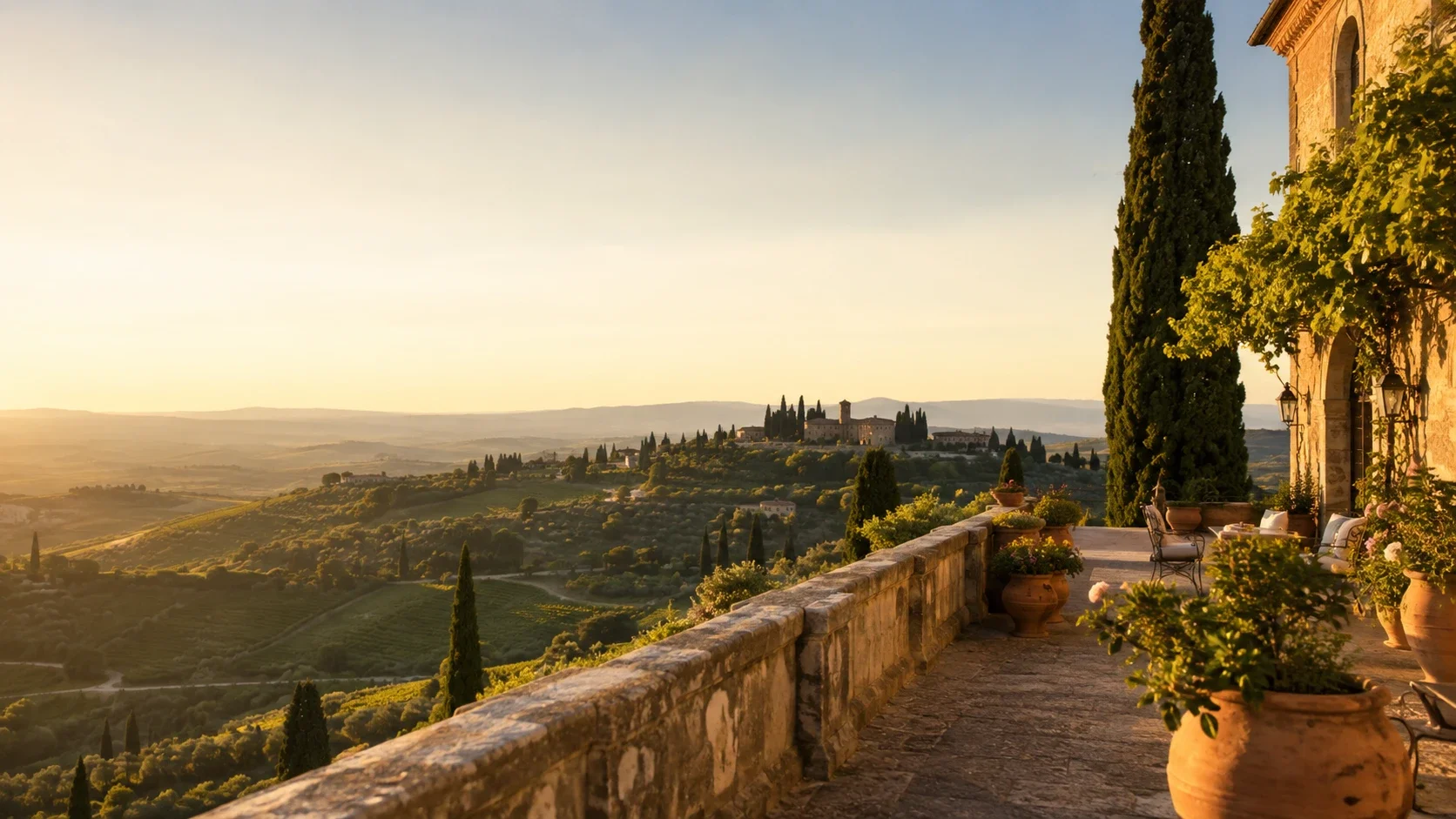
Italy at a glance
Italy stretches from the Alps and lakes of the north through the artistic cities and countryside of central Italy to the Mediterranean landscapes of the south and islands. The result is less a single destination than a collection of distinct regions connected by history, language and culture.
A successful luxury Italy itinerary usually combines contrast without trying to cover too much ground: perhaps art and architecture followed by countryside, or a major city paired with several days on the coast.
Who this guide is for
This guide is intended for travelers planning a first or repeat journey who want enough perspective to make informed choices without turning the planning process into an encyclopedia.
It is particularly useful if you are:
deciding between several Italian cities or regions;
planning a honeymoon, anniversary or milestone trip;
combining cultural travel with a villa, resort or coastal stay;
organizing a family or multigenerational vacation;
traveling for business and adding leisure time;
looking for more private, personalized experiences; or
considering private aviation to make a multi-region itinerary more efficient.
How to plan a luxury Italy itinerary
Begin with the experiences that matter most rather than a list of famous destinations.
If Renaissance art and Tuscan food are priorities, Florence and the surrounding countryside belong together naturally. If your ideal trip involves the sea, a combination of Naples, the Amalfi Coast and Capri may make more sense than adding Venice simply because it is iconic. Travelers interested in fashion and design may place Milan at the center of an itinerary that continues to Lake Como or the Italian Alps.
As a general principle, fewer destinations with more time in each usually produce the better trip. Italy’s pleasures often emerge between scheduled activities: a long lunch, an evening walk after day visitors have departed, or an unscripted afternoon in a small town.
Best places to visit in Italy
The best places to visit in Italy depend on what you want from the journey. A first visit may favor the great cultural centers, while repeat travelers can build an entire itinerary around wine country, coastlines, islands or lesser-known regional capitals.
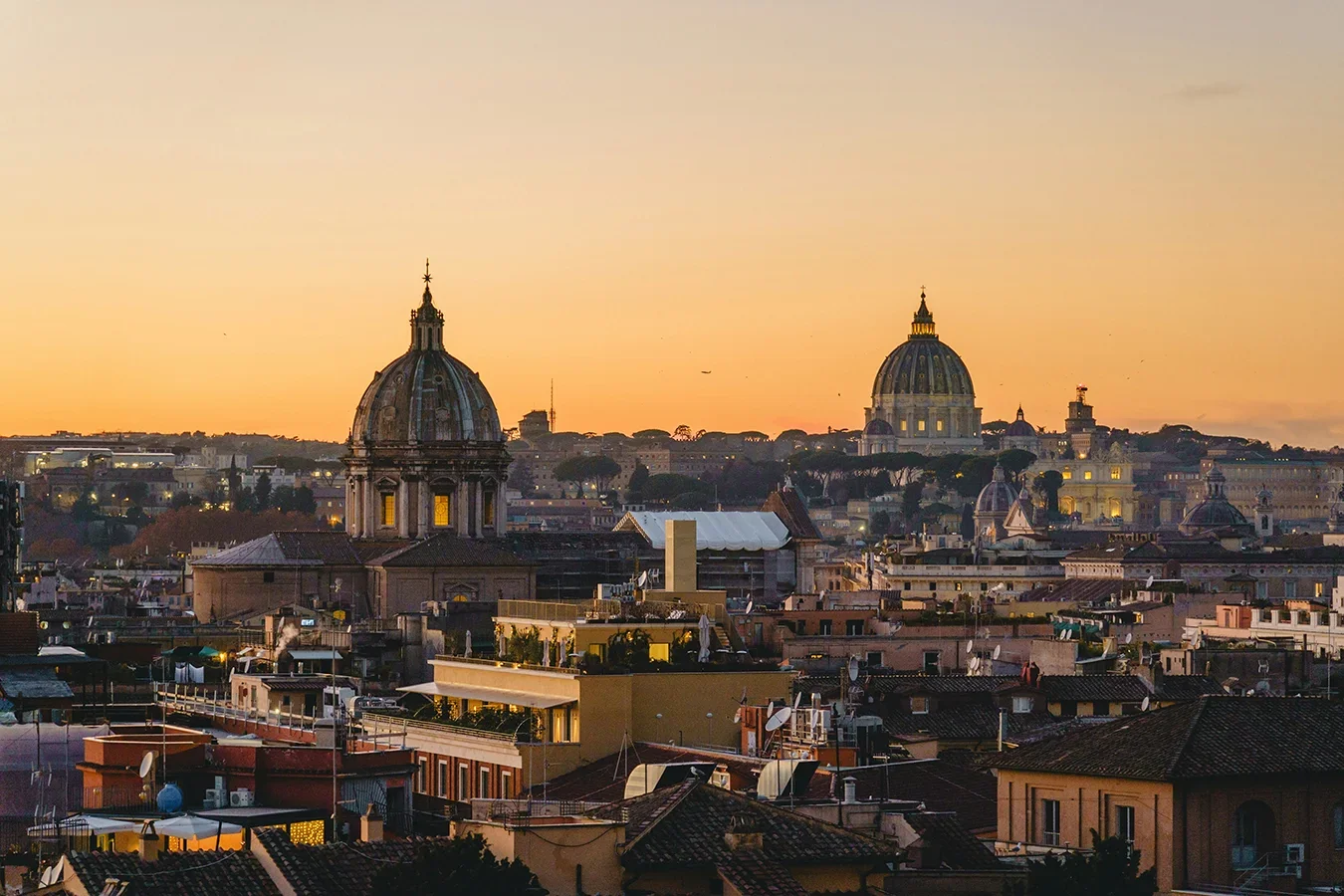
Rome and central Italy
Rome delivers scale and history in a way few cities can match. Ancient sites, Renaissance palaces, Baroque churches, contemporary neighborhoods and Vatican City coexist within a city that rewards several days rather than a hurried stop.
For a first trip, the Colosseum, Roman Forum, Pantheon, Vatican Museums and St. Peter’s Basilica establish the historical framework. But some of Rome’s strongest moments come away from the major monuments: an early evening in Trastevere, a private visit to a gallery or archaeological site, or dinner in a neighborhood where the city feels lived in rather than staged for visitors.
Rome also works well as a gateway to central Italy. Umbria offers hill towns, wine, countryside estates and a quieter rhythm, while parts of Lazio can provide rural contrast without requiring another major travel day.
Best for: history, archaeology, food, first-time visitors and travelers who enjoy energetic cities.
Photo: Rome skyline with Vatican City
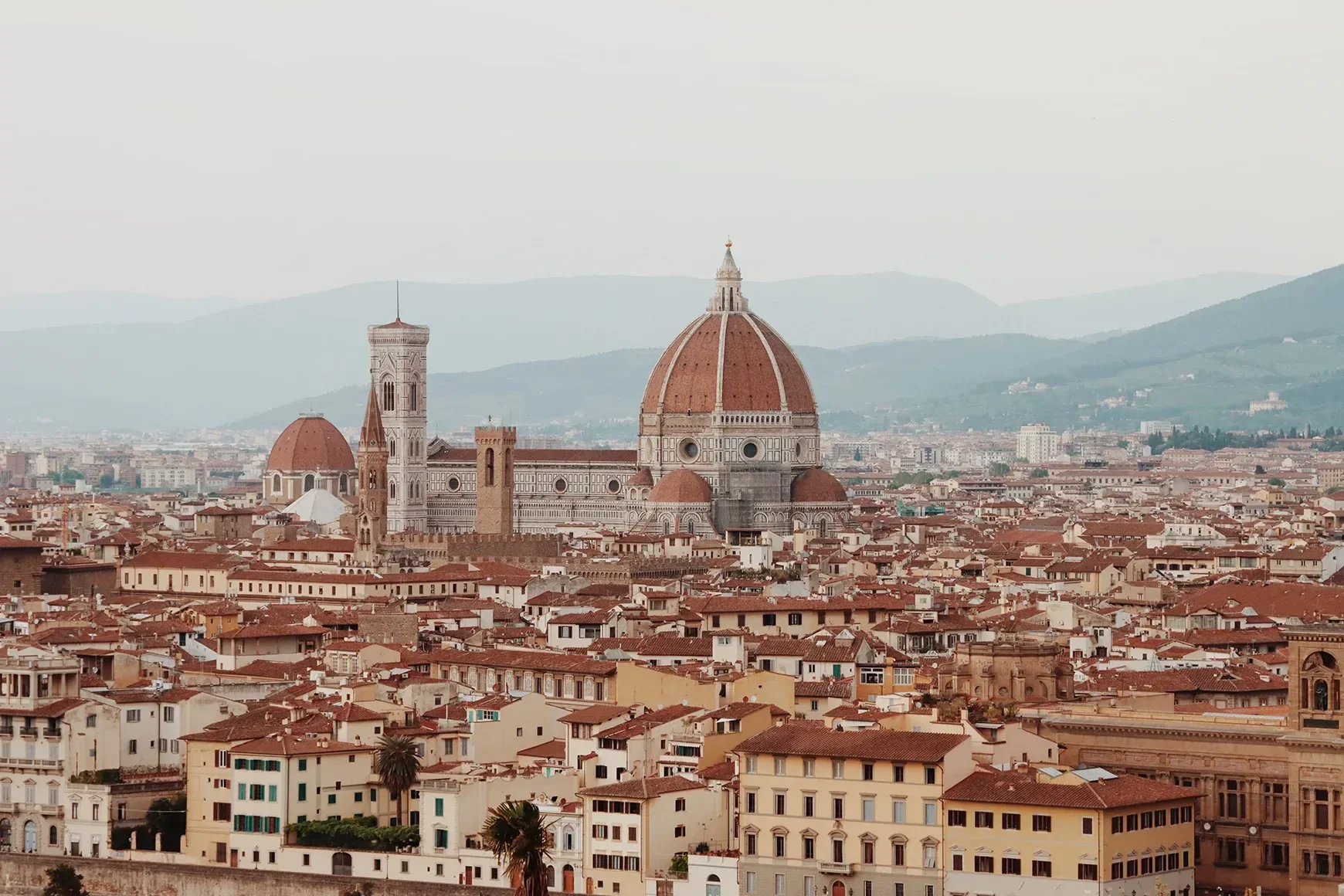
Florence and Tuscany
Florence concentrates an extraordinary amount of Renaissance art and architecture into a relatively compact historic center. The Uffizi Gallery, Accademia, Duomo and Palazzo Pitti can fill several days, while private museum guides and after-hours experiences can make familiar landmarks feel much more personal.
The city becomes even more compelling when paired with Tuscany.
Rather than attempting to visit the countryside as a series of day trips, consider spending several nights at a villa, wine estate or country hotel. Chianti, Val d’Orcia, Siena, Montalcino and smaller hill towns each offer a different expression of the region.
The luxury here is often space and pace rather than formality: long lunches overlooking vineyards, private tastings with producers, cooking experiences and time to enjoy the landscape without immediately returning to a city hotel.
Best for: art, wine, food, countryside stays and slower itineraries.
Photo: The Duomo, Florence
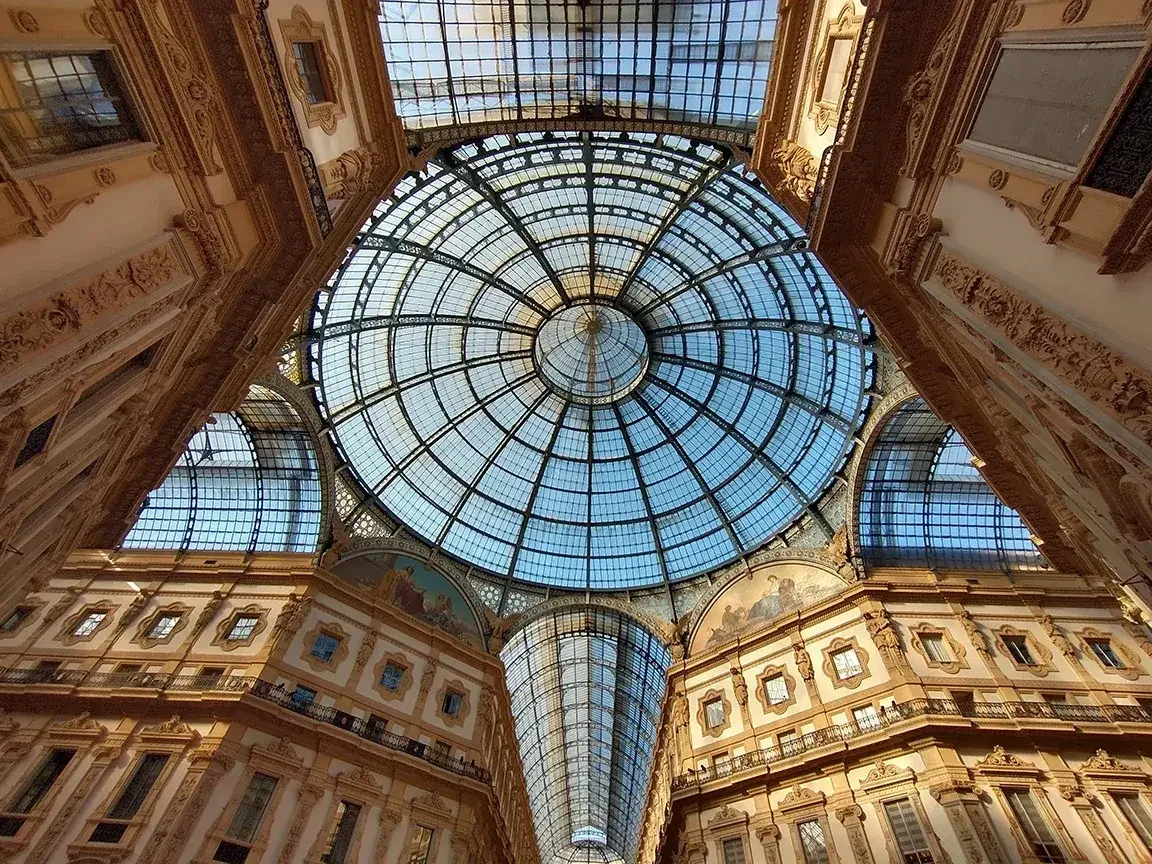
Venice and northern Italy
Venice is at its most rewarding when treated as somewhere to stay rather than somewhere to visit for the day.
Early mornings and evenings reveal a quieter city after much of the daytime traffic recedes. Beyond St. Mark’s Square and the Doge’s Palace, Venice lends itself to private boat excursions, contemporary art, artisan workshops and exploration of islands such as Murano and Burano.
Northern Italy can then extend in several directions.
Milan offers fashion, design, business and dining. Lake Como pairs grand hotels and villas with one of Italy’s most recognizable landscapes. Verona combines Roman heritage with a more manageable urban scale, while the Dolomites bring mountain scenery, resort hotels and outdoor travel into the itinerary.
Best for: romance, design, luxury hotels, lakes, mountain travel and travelers combining Italy with nearby European destinations.
Photo: Galleria Vittorio Emanuele II, Milan
Amalfi Coast, Sicily and Sardinia
Southern Italy and the islands offer a different rhythm from the great art cities.
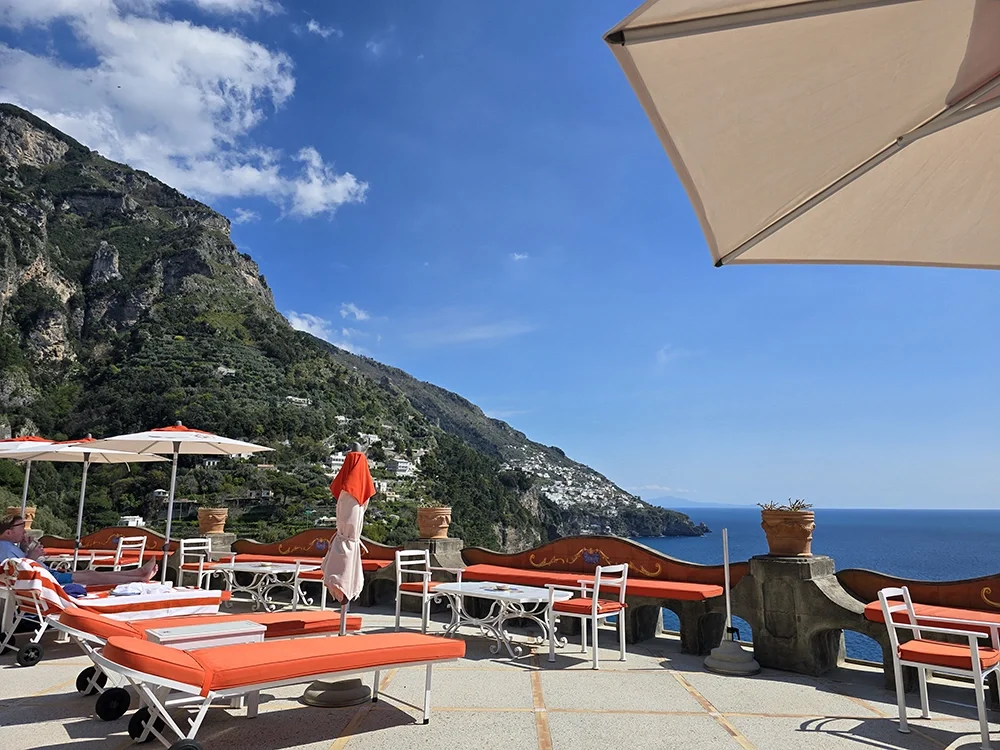
The Amalfi Coast is celebrated for its dramatic combination of mountains and Mediterranean coastline. Positano, Amalfi and Ravello remain the best-known destinations, but a high-end itinerary may also incorporate Capri, private boat days and time in Naples or Pompeii.
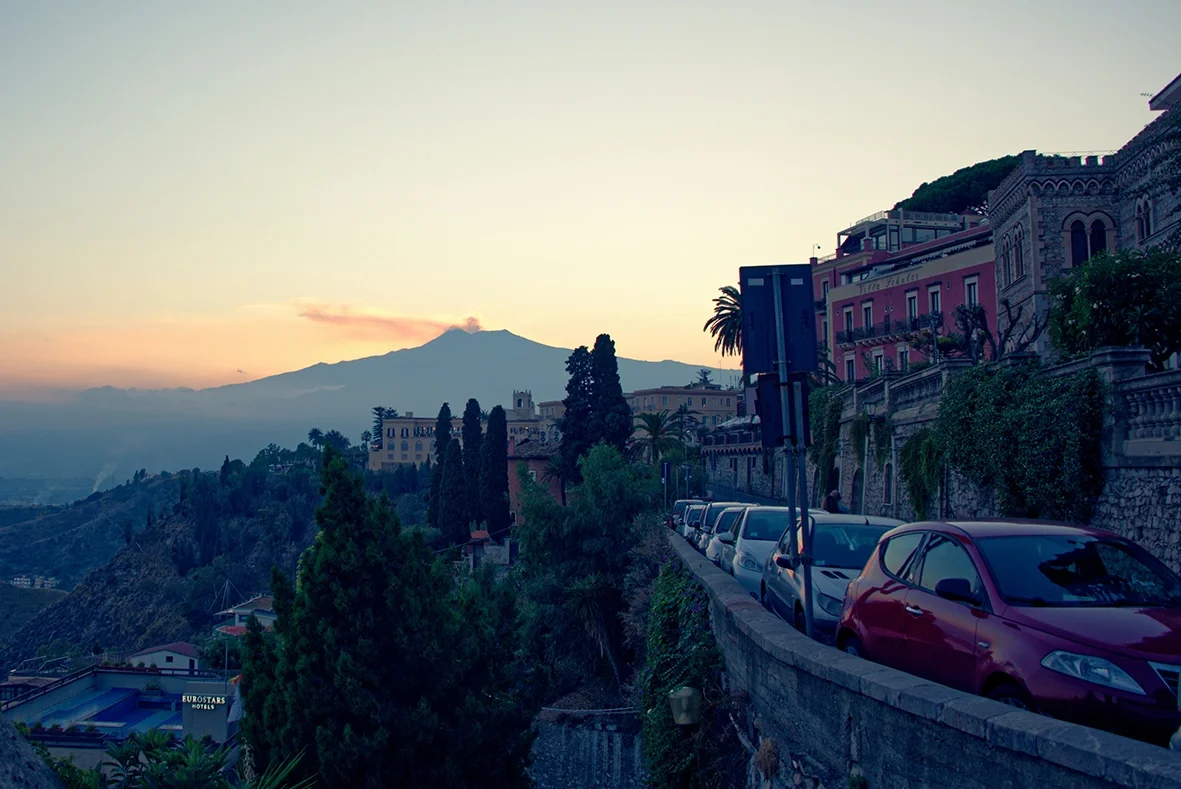
Sicily is larger and more varied. Palermo and Catania provide urban energy; Taormina combines resort appeal with views toward Mount Etna; and southeastern towns such as Noto and Ragusa showcase distinctive Baroque architecture. Food, archaeological sites, vineyards and coastal landscapes can easily support a week or more.
Sardinia is the stronger choice when beaches, boating and resort life are central to the trip. The Costa Smeralda is synonymous with luxury summer travel, while other parts of the island offer a quieter and more rugged character.
Best for: coastal travel, yachting, resorts, food and longer summer stays.
Photo: Hotel il San Pietro, Positano, Italy
Best cities to visit in Italy
Choosing among the best cities to visit in Italy becomes easier when you decide what role you want each city to play.
Best for culture and history
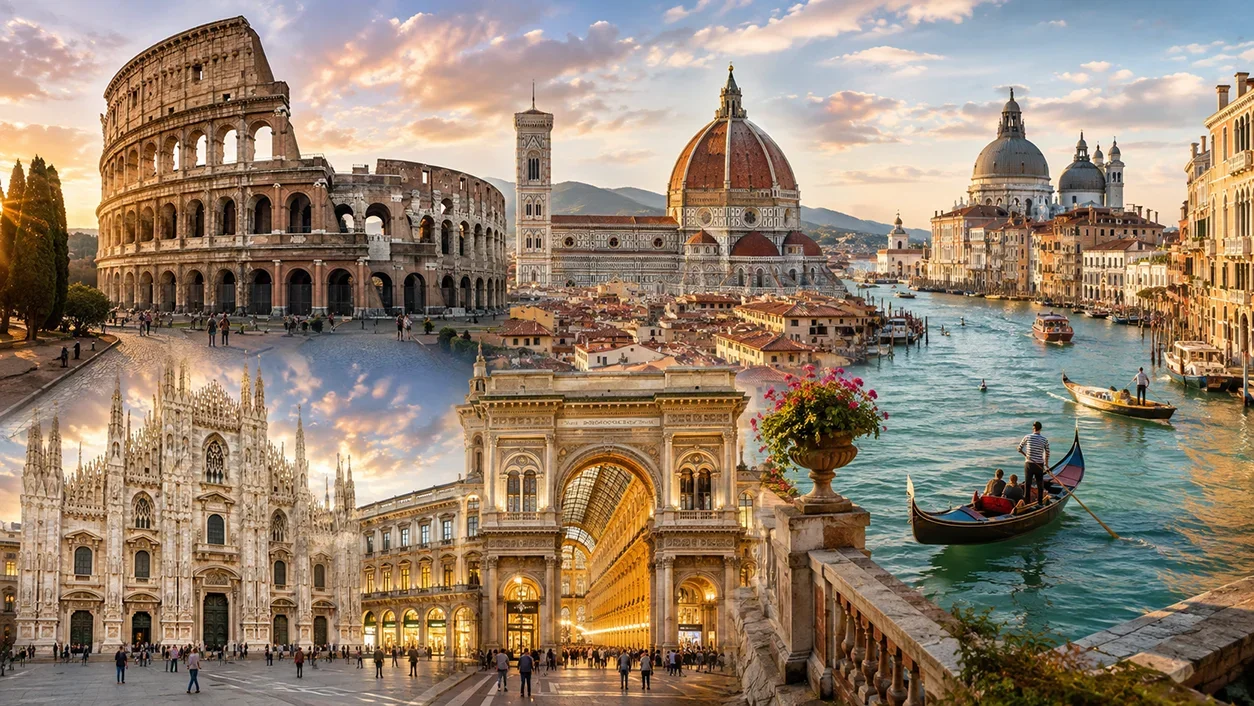
Rome is the obvious starting point for travelers interested in ancient history, religious art and monumental architecture. Its scale makes it difficult to absorb in fewer than three days.
Florence is more concentrated. For Renaissance art, sculpture and architecture, few destinations offer as much within such a walkable area.
Venice adds a completely different historical experience, shaped by its maritime past and extraordinary physical setting.
For repeat visitors, cities such as Bologna, Verona, Turin, Naples, Palermo and Lecce can provide equally rewarding cultural itineraries with a different balance between major sights and everyday city life.
Best for food, fashion and shopping
Milan remains Italy’s principal fashion and design capital, making it the natural choice for travelers interested in luxury retail, contemporary design and a more international urban atmosphere.
For food, the answer is broader. Bologna sits at the heart of Emilia-Romagna, a region associated with some of Italy’s most celebrated culinary traditions. Naples offers its own deeply rooted food culture, while Piedmont and Tuscany appeal to travelers building journeys around wine and regional cuisine.
The strongest culinary itineraries rarely depend on collecting famous restaurants. Market visits, private cooking sessions, small producers and meals chosen for their regional character can be more memorable than dining exclusively from a prestige list.
Best for romance and luxury travel
Venice remains difficult to surpass for atmosphere, particularly when experienced from a hotel overlooking the lagoon or from a private boat after the busiest hours.
Florence combines romance with culture, while Rome adds grandeur and nightlife.
For a less urban version of Italian luxury, Lake Como, Tuscany, Capri and the Amalfi Coast allow accommodations and landscape to become as important as sightseeing. These are places where choosing the right property—and leaving enough unscheduled time to enjoy it—can shape the entire trip.
Best beaches and coastal destinations in Italy
Italy’s coastline varies enormously, so the best beaches in Italy depend on whether you are looking for a polished resort, a yacht itinerary, dramatic scenery or relatively undeveloped stretches of sand.
Sardinia is one of the strongest choices for clear water and resort-oriented beach travel. The northeast, including Costa Smeralda, attracts an international summer crowd, while the island’s size leaves ample room for quieter areas.
Sicily combines beaches with history, cities and food, making it easier to build a varied itinerary rather than a beach-only vacation.
Puglia offers long coastlines on both the Adriatic and Ionian seas and pairs naturally with whitewashed towns, masserie and a growing collection of upscale hotels.
The Amalfi Coast is more about scenery, boating and cliffside towns than traditional expanses of sand. Travelers who prioritize the water may get more from a private boat or yacht day than from choosing a hotel purely for beach access.
Liguria, including the Italian Riviera, offers another option in the north, particularly when paired with Milan, Piedmont or the lakes.
For summer coastal travel, consider not just the beach but the overall logistics. Traffic, ferry schedules, hotel access and seasonal demand can strongly influence how relaxed—or complicated—the experience feels.
Photo: Taormina, Messina, Sicily.
Best time to visit Italy
There is no single best time to visit Italy because the ideal season changes with the region and purpose of the trip.
For many luxury itineraries, late spring and early fall offer the strongest balance of weather, access and atmosphere, although major cities remain popular throughout much of the year.
Spring and early summer
April through June can be excellent for cultural touring, countryside itineraries and city-to-city travel.
Spring landscapes are especially attractive in Tuscany and Umbria, while temperatures are generally more comfortable for walking in Rome, Florence and Venice than during the height of summer.
Late May and June begin to introduce a more established summer atmosphere along the lakes and Mediterranean coast.
Peak summer
July and August are the natural season for Sardinia, Capri, the Amalfi Coast and other resort destinations, but they are also among the busiest periods.
For travelers tied to summer schedules, the answer is not necessarily to avoid Italy. Instead, structure the trip around the season: reserve key accommodations well in advance, build in private transfers where useful, schedule major cultural visits strategically and avoid trying to cover too many cities.
August also brings different rhythms as Italians themselves take summer holidays, and operating patterns for restaurants, shops and local businesses can vary by destination.
Fall and winter
September and October are particularly appealing for travelers interested in food, wine and countryside trips, with harvest season adding another dimension to regions such as Tuscany and Piedmont.
November through winter can offer a more intimate experience in cities including Rome, Florence and Venice, although shorter daylight hours and seasonal hotel or resort closures change what works best.
Winter is also an important season in the Italian Alps and Dolomites, where luxury mountain resorts, skiing and winter sports create an entirely different Italy itinerary.
Luxury hotels and where to stay
Where you stay in Italy can determine the character of the trip almost as much as the destination itself.
In the major cities, location deserves particular attention. A historic palace hotel may offer atmosphere and immediate access to landmarks, while a quieter property outside the busiest center may suit travelers who value privacy and space.
The countryside introduces another category altogether. Tuscany and Umbria offer converted estates, wine properties, villas and resort hotels where the stay itself becomes part of the experience.
Along the lakes and coast, views and water access often drive hotel selection. A celebrated cliffside property may be spectacular but involve considerable steps or difficult road access; a lake hotel may make boat transfers more practical than traveling repeatedly by car.
For villas, consider how the property will actually be used. A remote estate can be ideal for a family or group planning to spend substantial time together, but less convenient if everyone expects independent access to restaurants, shopping and sightseeing.
The best luxury hotels in Italy therefore differ by itinerary. Rather than choosing purely by reputation, match the property to the pace and purpose of each part of the trip.
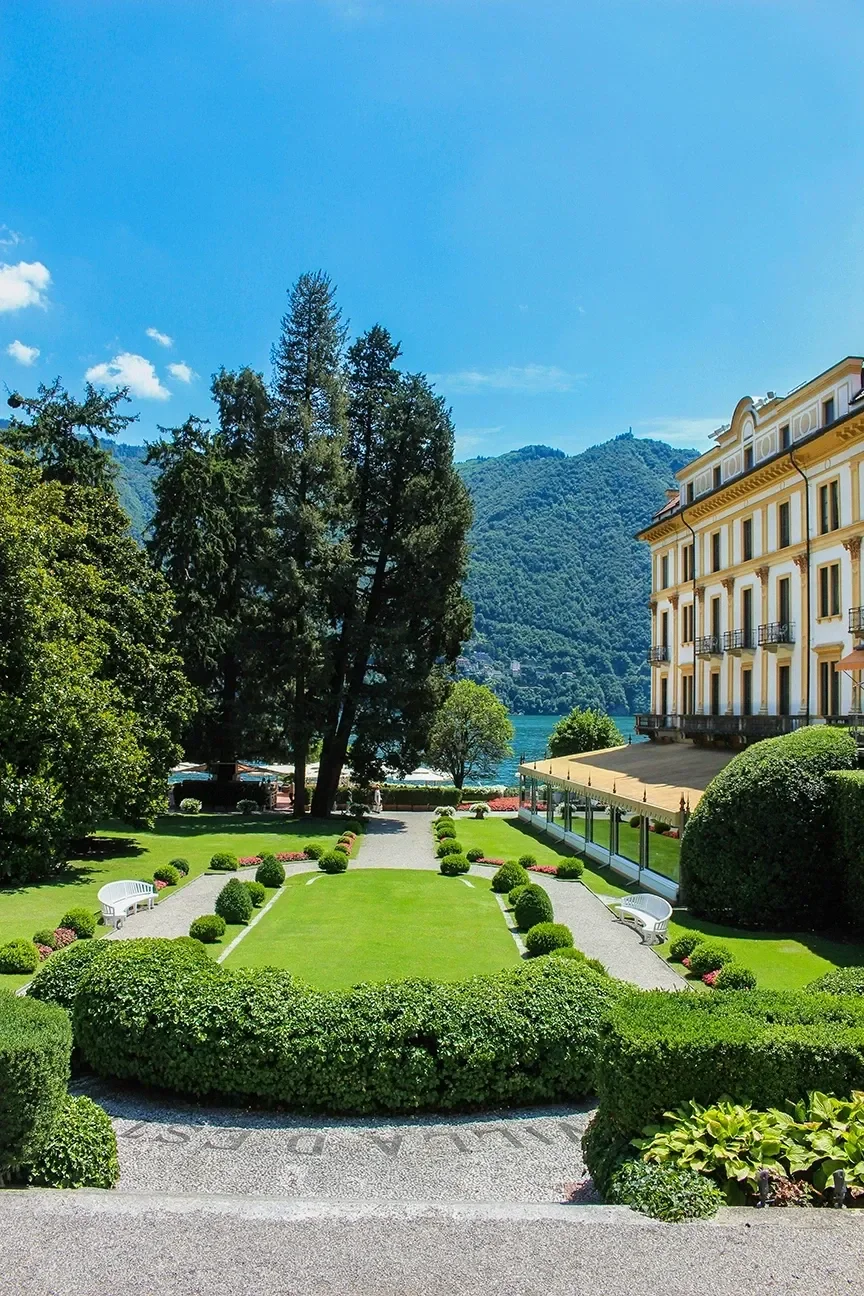
Photo: Villa d'Este estate on Lake Como
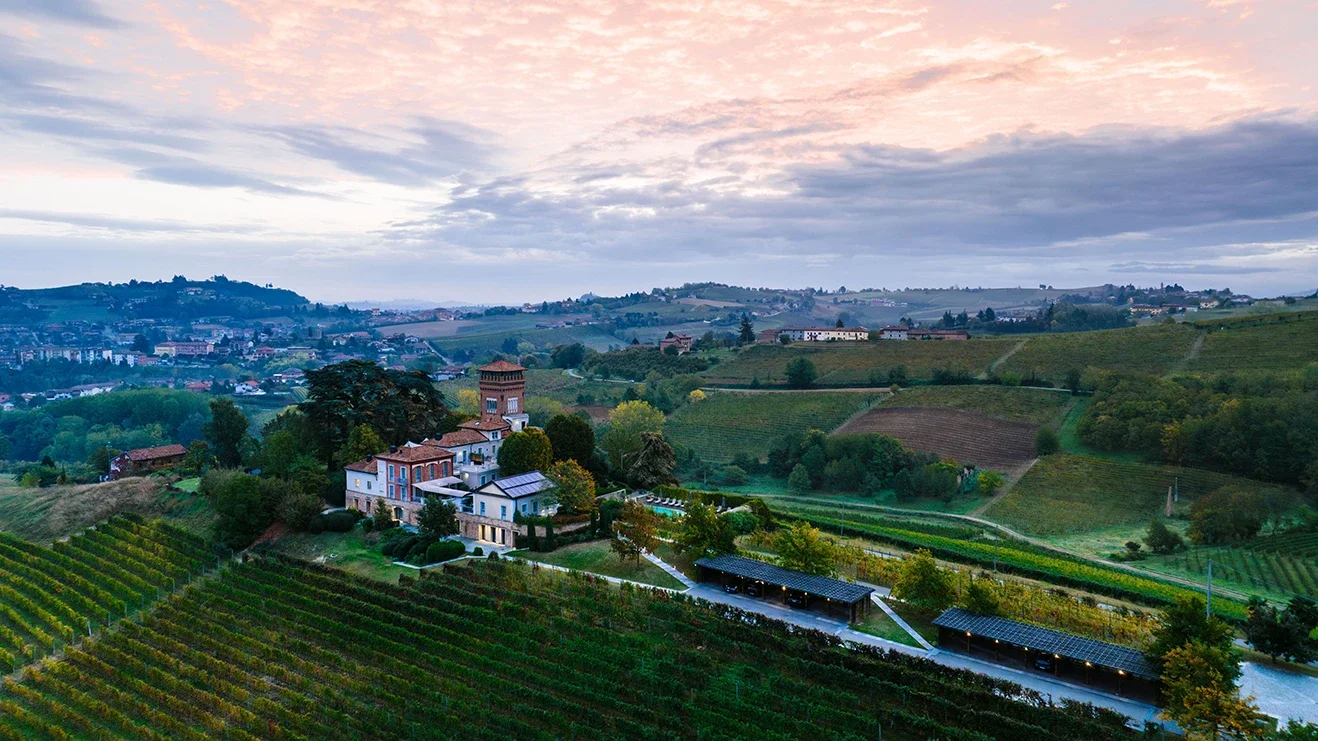
Luxury Italy tours and bespoke experiences
High-end travel in Italy works best when exclusive experiences deepen the destination rather than simply adding activity to the schedule.
Food and wine
Italy lends itself naturally to private food and wine experiences because regional identity remains so strong.
A Tuscan itinerary might include a private winery visit in Chianti or Montalcino. Piedmont can center on Barolo and Barbaresco, while Emilia-Romagna lends itself to producer visits and culinary traditions associated with Parma, Modena and Bologna.
Private market tours and cooking experiences can also work particularly well in Rome, Florence, Bologna, Naples and Sicily.
The objective should be access and context, not simply a busier calendar.
Villas, yachts and coastal experiences
A staffed villa can change the rhythm of a family or multigenerational trip by providing a private base rather than a succession of hotel rooms.
On the coast, yacht and private-boat days are among the most natural luxury Italy tours. They can connect destinations that are awkward by road while allowing the coastline itself to become the experience.
Capri, the Amalfi Coast, Sardinia, Sicily and the Italian Riviera are all particularly well suited to time on the water.
Culture, fashion, design and motorsport
Private guiding can make Italy’s best-known museums and archaeological sites significantly more rewarding, especially when visits are built around a specific interest rather than a generic highlights tour.
Milan adds fashion and design, including private shopping and studio-focused experiences.
For automotive enthusiasts, northern Italy opens an entirely different itinerary. Ferrari, Lamborghini and Italy’s broader motorsport heritage can anchor a journey through Emilia-Romagna, potentially combined with food, design and historic cities.
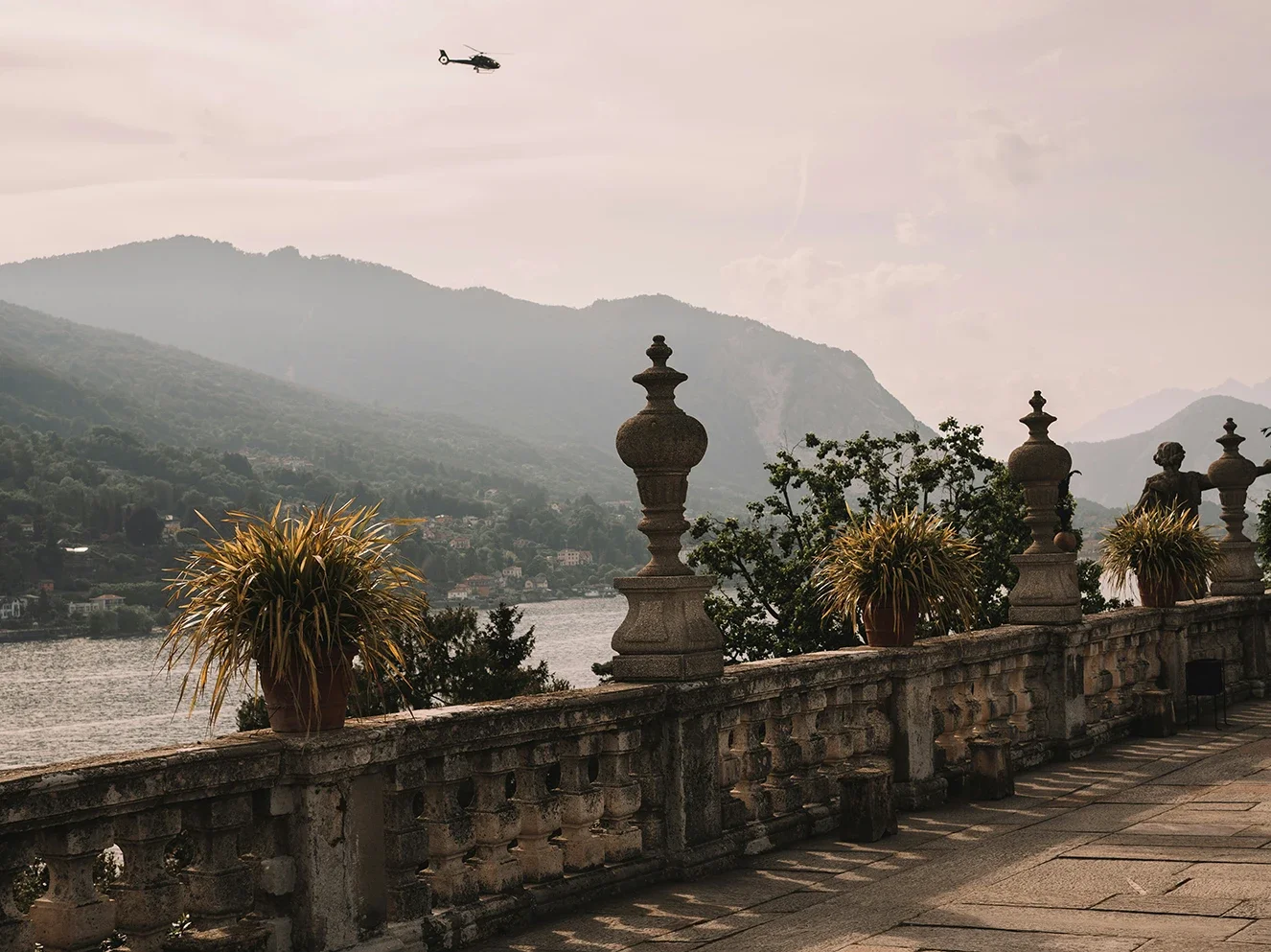
Flying private to Italy
Private aviation becomes most valuable in an Italy itinerary when it solves a genuine time or access problem.
Travelers arriving from North America can use private aircraft to tailor the arrival airport to their first destination rather than automatically beginning at the largest commercial gateway. Private aviation can also support itineraries involving islands, resort areas or several European countries where commercial schedules would otherwise dictate the trip.
Private-air access
Italy has numerous airports capable of supporting private aviation, from major gateways serving Rome and Milan to airports positioned for Tuscany, the Italian lakes, the Adriatic and Mediterranean coasts and the islands.
The best airport depends on the aircraft, route and ultimate ground destination. For that reason, WrenJet looks at the complete trip rather than treating the arrival airport as an isolated decision.
For long-range travel from the United States or Canada, aircraft selection may include large cabin, or “heavy” jets, and ultra long range jets where nonstop capability, passenger requirements and route length support that choice.
Travelers can explore airport options, aircraft considerations and charter planning in our dedicated guide to traveling by private jet to Italy.
Discover more on the WrenJet Italy charter page
If you are actively planning a charter, the WrenJet Italy destination page covers the commercial details—including airport selection, aircraft categories, routing considerations and the factors that influence a personalized quote.
For travelers building a broader European itinerary, our guide to private jet charter to Europe provides additional transatlantic and regional planning context.
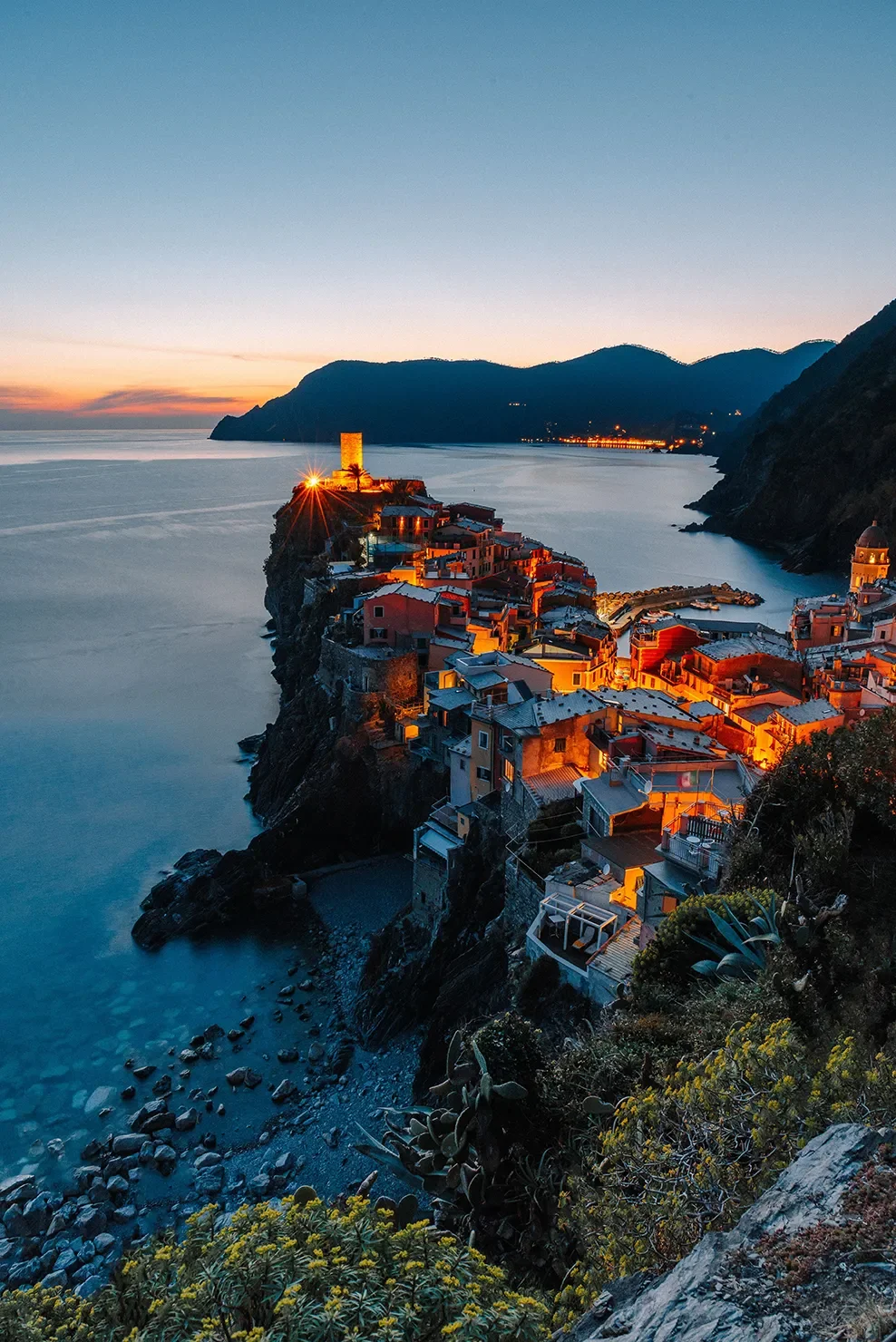
Cinque Terre, Italy
Suggested Italy itineraries
5–7 day Italy itinerary
With one week or less, avoid trying to cover the country. A strong itinerary might include one of these options:
-
Spend three nights in Rome and three in Florence. This creates enough time for the principal cultural sights while avoiding repeated packing and travel days.
-
Begin with two or three nights in Florence, then move into the countryside for a villa or resort stay. This is particularly effective for travelers who value food, wine and a slower pace.
-
Use Naples as the cultural and transportation gateway before settling into one coastal base rather than moving between several cliffside towns.
-
Base the first part of the trip around Portofino or Santa Margherita Ligure, combining elegant waterfront hotels, private boat excursions and relaxed days along the Ligurian coast. Continue south to the Cinque Terre for two or three nights. The result is a compact coastal itinerary that balances refined resort living with one of Italy’s most distinctive landscapes.
10-day multi-city Italy itinerary
Ten days allow more contrast without turning the trip into a race. A classic first journey might be one of the following:
-
Spend three nights in Rome, three or four nights divided between Florence and Tuscany, and finish with two or three nights in Venice.
-
Combine several cultural days in Rome with a longer coastal stay, using private transfers and boat travel to reduce unnecessary logistical friction.
-
A strong option for repeat visitors looking to combine northern Italy's urban, lakeside and wine-country experiences.
-
Another strong repeat-visitor itinerary that goes deeper into one region rather than revisiting Italy's principal first-time destinations.
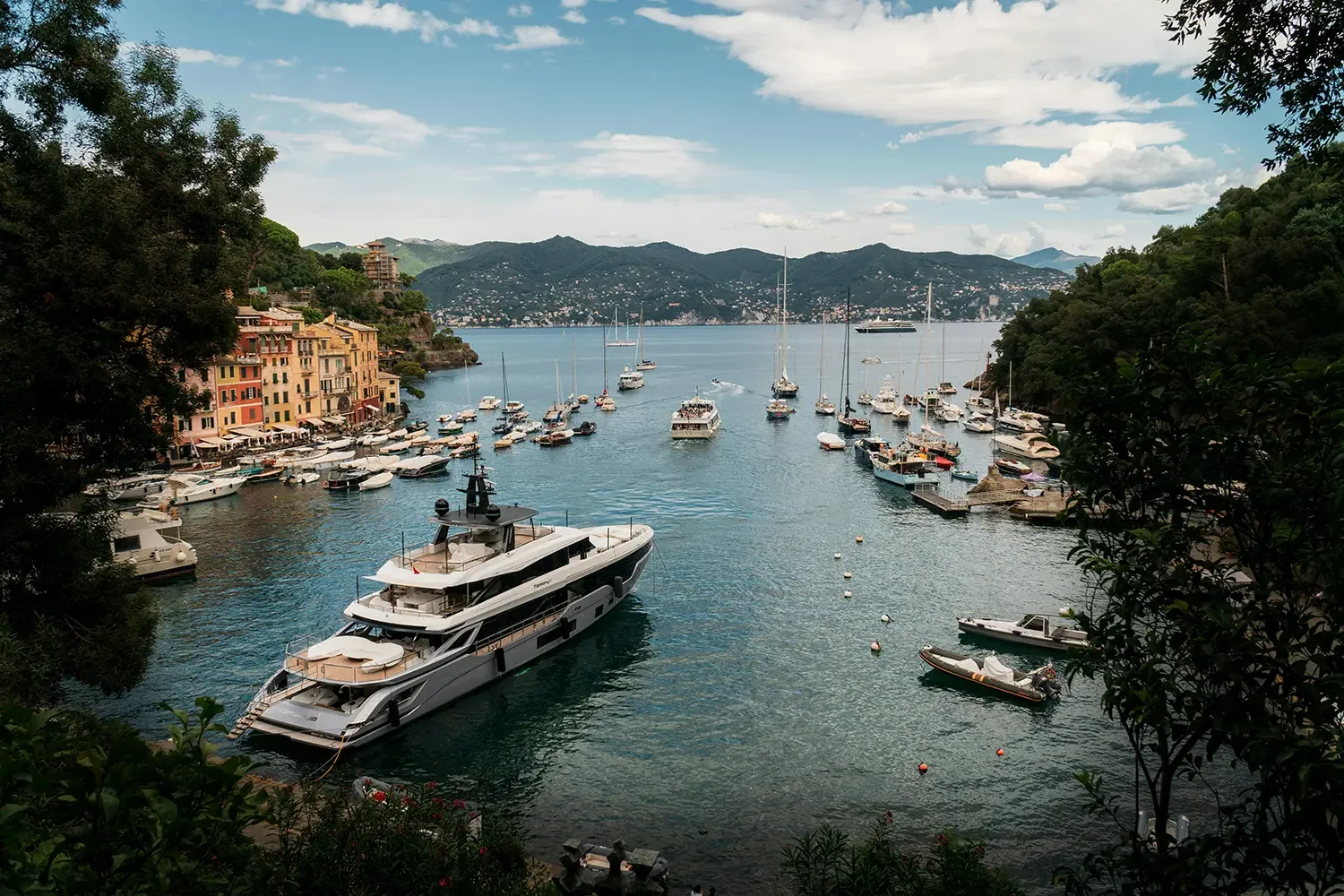
Photo: Portofino, Italy
Italy travel FAQ
-
For a first trip, Rome, Florence, Venice and Tuscany provide a strong introduction to Italy’s history, art and landscape. Travelers focused on the coast may prefer the Amalfi Coast, Sardinia or Sicily, while Lake Como and the Dolomites appeal to those combining scenery with high-end hotels and outdoor experiences.
-
Rome is best for ancient history and breadth, Florence for Renaissance art, and Venice for atmosphere and a setting unlike any other major European city. Milan is a strong addition for fashion, design and shopping, while Naples offers food, history and access to Pompeii and the nearby coast.
-
For many itineraries, spring and early fall offer a favorable combination of weather and comfortable touring. July and August work especially well for coastal and resort travel but bring peak-season demand. Winter can be rewarding for city travel and is the natural season for the Italian Alps and Dolomites.
-
Seven days is enough for one or two carefully chosen destinations. Ten days allows a well-paced multi-city itinerary, while two weeks gives enough time to combine major cities with countryside, coastline or islands.
The best approach is usually to reduce the number of stops rather than shorten every stay.
-
High-speed trains are excellent between major cities such as Rome, Florence, Bologna, Milan, Venice and Naples. Private ground transfers work particularly well for rural areas, resorts and travelers with substantial luggage. Private aviation can add efficiency when longer distances, islands, international sectors or less convenient commercial connections are involved.
-
Yes. WrenJet Private Air Charter can arrange private flights to destinations throughout Italy based on your departure point, passenger requirements, itinerary and suitable arrival airport. See our private jet to Italy page for detailed charter planning information.

Continue planning your Italy trip with WrenJet
Use this Italy travel guide as the starting point: decide whether your priority is art, cities, countryside, food, coast or a combination, then build an itinerary whose pace matches the experience you want. You may also want to consult our Ultimate Private Jet Charter Guide to Italy here.
For travelers considering private aviation, WrenJet Private Air Charter can integrate the flight into the larger journey, from the most practical arrival airport to onward travel across Italy or Europe.
Explore private jet travel to Italy or request a private jet charter quote when your itinerary begins to take shape. Whatever it is, the way you tell your story online can make all the difference.